
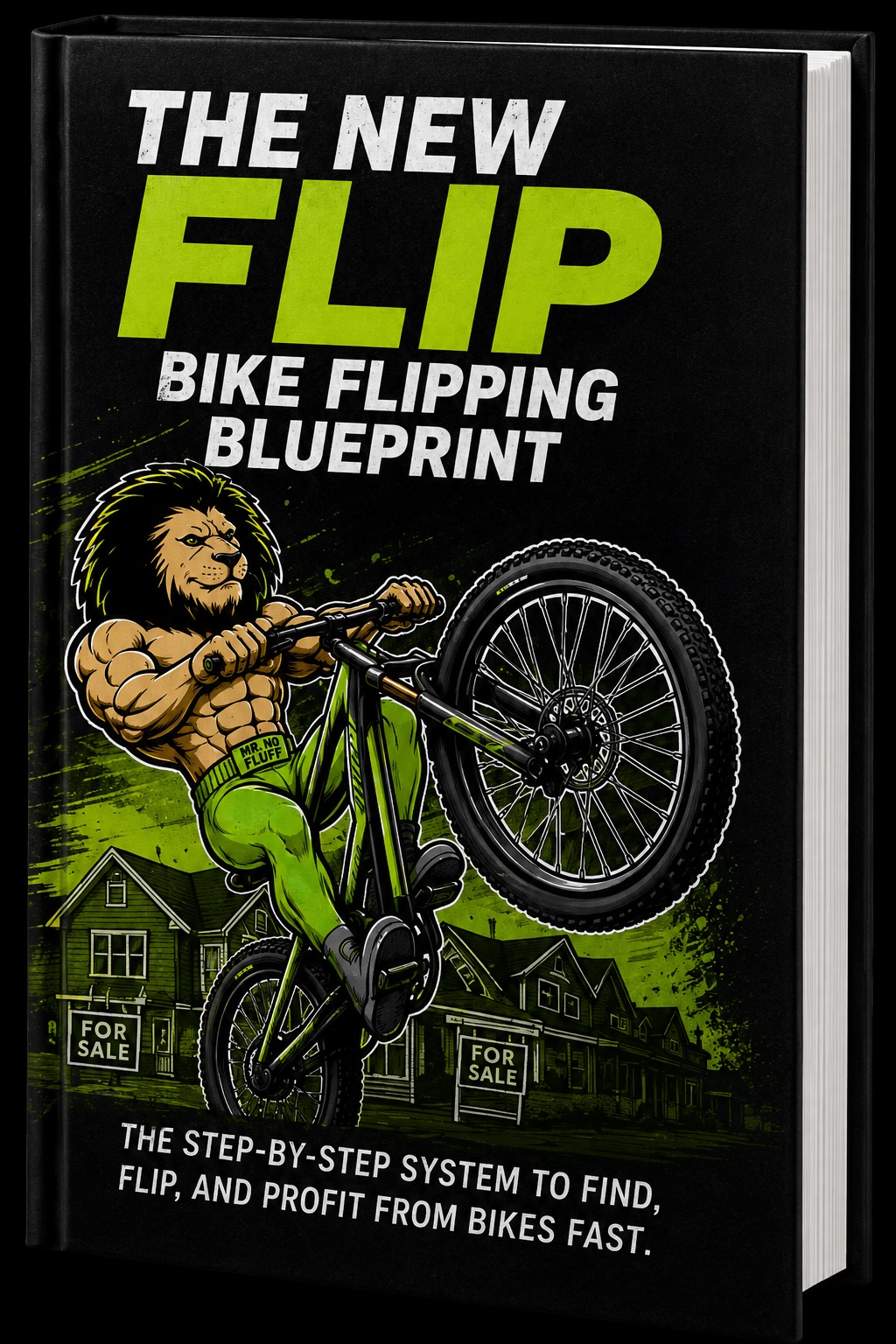
🚲 Starting a Traditional Business vs The New Flip: Which Path Makes More Sense for Beginners in 2026?
In 2026, millions of people want more freedom.
They are tired of:
- living paycheck to paycheck
- depending on one job
- rising bills and inflation
- worrying about layoffs and uncertainty
So naturally, many people start thinking:
👉 “Maybe I should start a business.”
But then reality hits.
Traditional businesses often require:
- large startup money
- business loans
- inventory
- employees
- office or retail space
- expensive marketing
And suddenly:
👉 the dream feels overwhelming.
That’s one reason more people are searching for leaner business models like The New Flip.
Instead of teaching beginners to:
- borrow money
- sign long leases
- build complicated systems
The New Flip teaches something very different:
👉 start small, create fast cash flow, and learn entrepreneurship through bicycle flipping.
Let’s compare traditional business ownership versus The New Flip model from multiple angles.
💰 1. Large Startup Costs vs Starting Lean
Traditional businesses often require serious money upfront.
For example:
- opening a restaurant
- starting a retail shop
- launching a franchise
- opening a gym
may require:
- commercial rent deposits
- remodeling costs
- equipment purchases
- inventory
- insurance
- employee payroll
Many people start already in debt before earning their first dollar.
The New Flip works differently.
Instead of risking thousands:
👉 beginners can start with one bicycle.
You buy:
- a used bike locally
- clean or improve it
- resell it for profit
No giant startup budget required.
🏢 2. Renting Buildings vs Working From Anywhere
Traditional businesses usually require physical space.
That means:
- rent
- utilities
- maintenance
- fixed monthly expenses
And those bills continue every month whether business is good or bad.
This creates pressure immediately.
The New Flip removes most of that overhead.
You can:
- work from home
- use your garage
- meet buyers locally
- operate online through marketplaces
No storefront needed.
That flexibility lowers financial stress dramatically.
⚠️ 3. Debt Pressure vs Low-Risk Learning
One of the biggest dangers of starting a traditional business:
👉 debt pressure
Many entrepreneurs borrow:
- personal loans
- credit cards
- business loans
Then they spend months trying just to break even.
When sales are slow:
👉 stress increases fast
The New Flip philosophy focuses on:
👉 low-risk entrepreneurship
Instead of risking huge money:
- you make smaller deals
- you learn through action
- you build confidence gradually
That makes entrepreneurship feel more achievable for beginners.
📈 4. Slow Profitability vs Fast Cash Flow
Traditional businesses often take:
- months
- sometimes years
to become profitable.
Why?
Because expenses are high:
- payroll
- rent
- inventory
- advertising
- software systems
Even with sales:
👉 profits may stay small for a long time
The New Flip creates faster movement.
With bicycle flipping:
- buy a bike today
- list it tomorrow
- potentially sell it within days
That quick turnaround creates:
- immediate feedback
- immediate learning
- immediate cash flow
Beginners do not need to wait years to feel progress.
🧠 5. Complicated Systems vs Simple Transactions
Traditional businesses can become very complicated quickly.
Owners suddenly deal with:
- payroll systems
- taxes
- scheduling
- inventory management
- customer service departments
- hiring and firing employees
This complexity overwhelms many beginners.
The New Flip simplifies entrepreneurship.
The business model is straightforward:
👉 buy low and sell higher
That simplicity allows beginners to focus on:
- negotiation
- pricing
- communication
- profit margins
without drowning in complexity.
🔄 6. Massive Risk vs Small Mistakes
Traditional businesses carry bigger consequences.
A bad decision may cost:
- thousands of dollars
- years of debt
- damaged credit
With bicycle flipping:
👉 mistakes stay smaller
If one flip goes poorly:
- losses are usually manageable
- lessons come quickly
- recovery is easier
That smaller risk profile makes entrepreneurship safer to learn.
🚀 7. Why The New Flip Teaches Real Entrepreneurship
Some people underestimate bicycle flipping because it sounds simple.
But simplicity is actually the strength.
The New Flip teaches:
- negotiation
- cash flow
- pricing strategy
- supply and demand
- customer psychology
- sales communication
These are the same foundational skills used in:
- real estate investing
- car flipping
- sales businesses
- entrepreneurship overall
The difference:
👉 beginners can learn without risking their entire future
🏠 8. Traditional Businesses Often Trap Owners
Many people dream about “being their own boss.”
But traditional businesses sometimes create new problems:
- constant bills
- employee issues
- stress from overhead
- debt pressure
- long working hours
Instead of freedom:
👉 owners feel trapped
This is especially dangerous for beginners who lack business experience.
The New Flip model stays lighter and more flexible.
That flexibility matters.
💡 9. Why Lean Businesses Are Growing in 2026
Today’s economy rewards lean businesses.
Why?
Because:
- interest rates are higher
- inflation affects consumers
- overhead destroys weak businesses
- flexibility matters more than ever
Businesses with:
- low startup costs
- fast cash flow
- small overhead
- adaptability
often survive longer.
That’s exactly why bicycle flipping continues gaining attention.
📚 10. The New Flip Is More Than Bicycle Flipping
At its core:
The New Flip teaches a mindset shift.
Instead of:
- borrowing huge money
- trying to look successful immediately
- building oversized businesses too early
it teaches:
👉 start small and master the fundamentals first
That philosophy helps beginners:
- build confidence
- gain experience
- create income
- avoid unnecessary financial pressure
before moving into larger opportunities later.
🔥 Final Thoughts
Starting a traditional business can absolutely succeed.
But many beginners underestimate:
- debt risk
- overhead pressure
- lease obligations
- slow profitability
- operational complexity
The New Flip offers a different path.
👉 low startup cost
👉 simple business model
👉 fast cash flow
👉 real-world entrepreneurship training
👉 lower financial risk
Most importantly:
it helps beginners stop overthinking and start learning business through real action instead of massive financial pressure.
For many people in 2026, that lean approach may be one of the smartest ways to begin entrepreneurship.
