
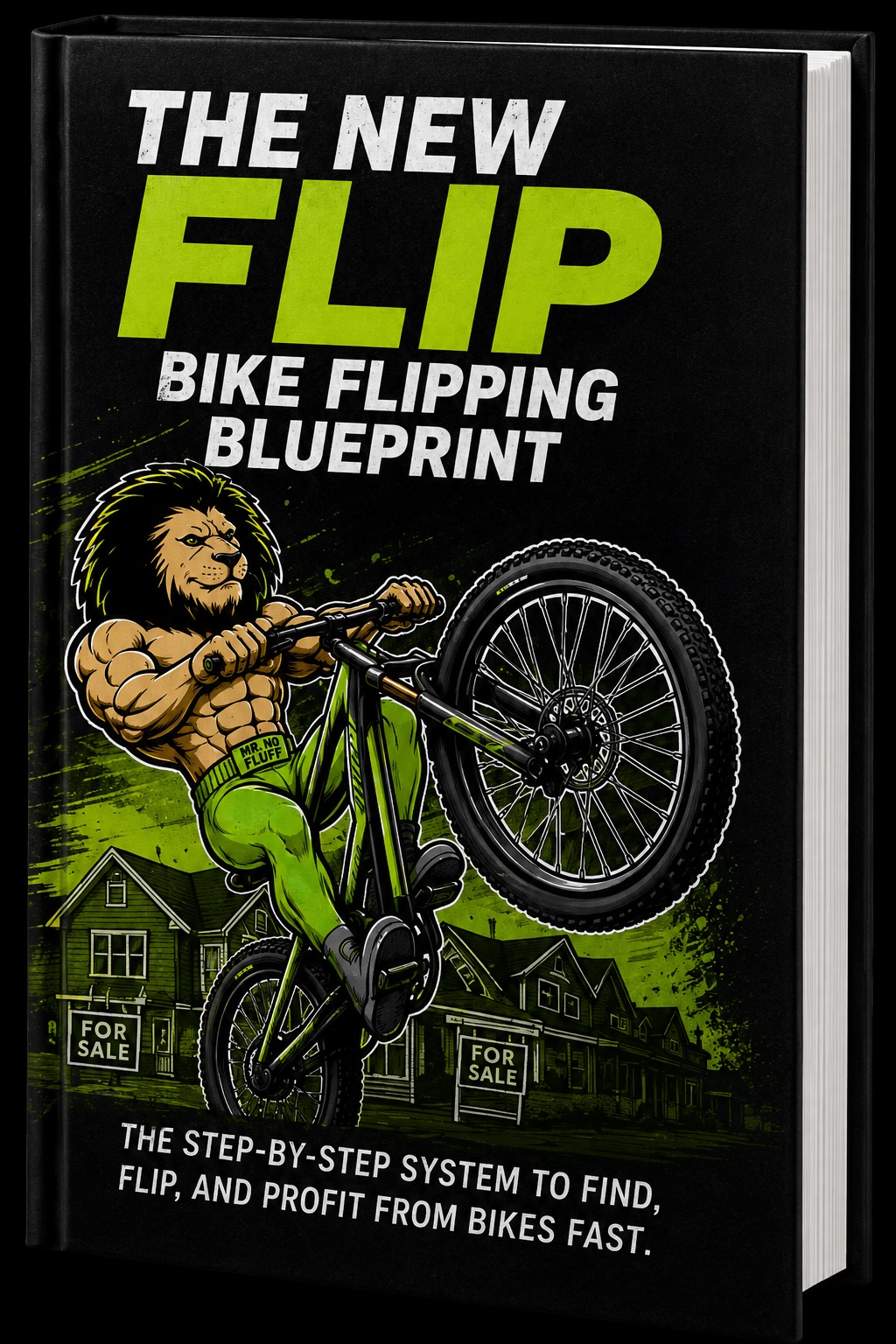
🏪 Starting a Retail Business vs The New Flip: Debt, Bills, and Risk vs Simple Cash Flow in 2026

Starting a retail business is still one of the most common ways people think about becoming an entrepreneur.
You’ve probably imagined it:
- a small shop
- products on shelves
- customers walking in
- your own brand on the storefront
It looks like “real business.”
But in 2026, the reality of retail is very different from the dream.
Because behind every retail store is something most beginners underestimate:
👉 heavy monthly bills, upfront debt, and constant financial pressure
That’s where The New Flip and bicycle flipping stand in direct contrast.
Instead of building a business around rent, inventory, and overhead, The New Flip teaches a lean model:
👉 start small, flip bicycles, and learn real entrepreneurship through simple transactions.
Let’s break it down.
🏪 1. Retail Business Requires Heavy Upfront Investment
To start a retail store, you usually need:
- storefront lease deposit
- monthly rent
- store build-out and design
- shelving and fixtures
- initial inventory
- business insurance
- permits and licenses
Before you sell anything:
👉 you may already owe thousands of dollars
This creates immediate financial pressure.
💳 Debt Starts Before Sales Even Begin
Most retail businesses rely on:
- business loans
- credit cards
- personal savings
- investors
So the business starts in debt.
That means:
- monthly payments start immediately
- interest accumulates
- cash flow pressure begins on day one
If sales are slow:
👉 the stress multiplies fast
🏢 2. Rent Is One of the Biggest Hidden Risks
Retail businesses depend heavily on location.
That means:
- high-traffic areas = high rent
- malls = expensive leases
- good visibility = higher monthly cost
And here’s the problem:
👉 rent is due whether customers come or not
Even a slow month doesn’t reduce the bill.
📦 3. Inventory Risk in Retail Is Real
Retail stores must stock products upfront.
That creates risks like:
- unsold inventory
- seasonal demand shifts
- changing trends
- storage costs
If products don’t sell:
👉 your money is stuck on shelves
👥 4. Employees Add More Pressure
Many retail businesses require staff:
- cashiers
- managers
- stock workers
That means:
- payroll
- scheduling
- training
- HR issues
Even one employee issue can affect operations.
More people = more complexity.
📉 5. Slow Sales Can Break the Business Early
Retail businesses depend on:
- foot traffic
- marketing
- local demand
If sales are low:
👉 expenses don’t stop
That mismatch is what causes many retail failures.
🚲 Now Compare That to The New Flip Model
Instead of:
- renting space
- buying inventory in bulk
- hiring employees
- taking on debt
The New Flip teaches:
👉 bicycle flipping as a lean business model
💰 6. Low Startup Cost vs High Financial Burden
Retail business:
- thousands to tens of thousands upfront
The New Flip:
- one used bicycle
- small initial investment
- no debt required
You can start:
👉 without borrowing money
That changes everything for beginners.
🏠 7. No Rent vs Fixed Monthly Pressure
Retail:
- rent due every month
- utilities
- insurance
- maintenance
The New Flip:
- no storefront
- no rent
- no fixed overhead
You can operate from:
- home
- garage
- online marketplaces
That removes financial pressure immediately.
🔄 8. Fast Cash Flow vs Slow Break-Even
Retail businesses often take:
- months or years to break even
Because:
- overhead is high
- inventory takes time to sell
- customer base must be built
The New Flip:
- buy bike
- improve it
- resell quickly
That creates:
👉 fast feedback and fast cash flow
⚠️ 9. High Risk vs Controlled Risk
Retail risk includes:
- rent obligations
- employee issues
- inventory losses
- slow sales months
- debt repayment pressure
Even if things go wrong:
👉 expenses continue
The New Flip risk is controlled:
- small per-transaction investment
- quick resale cycles
- easy to adjust pricing
Mistakes stay small and manageable.
🧠 10. Complexity vs Simplicity
Retail business requires managing:
- operations
- staff
- suppliers
- accounting
- marketing
- inventory systems
That’s a lot for beginners.
The New Flip focuses on:
- buying
- improving
- selling
- repeating
Simple business loop:
👉 buy low, sell higher
📚 11. What You Actually Learn in Each Model
Retail business teaches:
- operations management
- inventory control
- staffing
- customer service systems
- long-term business structure
But it comes with high pressure.
The New Flip teaches:
- negotiation
- pricing strategy
- sales skills
- cash flow thinking
- market awareness
And it teaches it:
👉 through real transactions, not theory
🚀 12. Why Beginners Struggle With Retail Businesses
Most beginners fail retail because:
- they underestimate overhead
- they overestimate sales
- they run out of cash too early
- they take on too much too fast
Retail rewards experience—not guessing.
💡 13. Why The New Flip Reduces Beginner Failure
The New Flip removes many failure points:
- no rent
- no payroll
- no debt requirement
- no inventory overload
That means beginners can focus on:
👉 learning business fundamentals safely
🔥 Final Thoughts
Starting a retail business can absolutely work—but it comes with:
- high upfront costs
- monthly rent pressure
- inventory risk
- staffing complexity
- debt exposure
For beginners, that combination can be overwhelming.
The New Flip offers a different path.
👉 low startup cost
👉 no rent
👉 fast cash flow
👉 simple transactions
👉 real-world business training
Instead of building a high-risk retail operation immediately, beginners can start small, learn the basics, and grow from real experience without financial pressure controlling every decision.
